
5 Signs Your Car Needs Paint Protection Film (PPF) Right Now
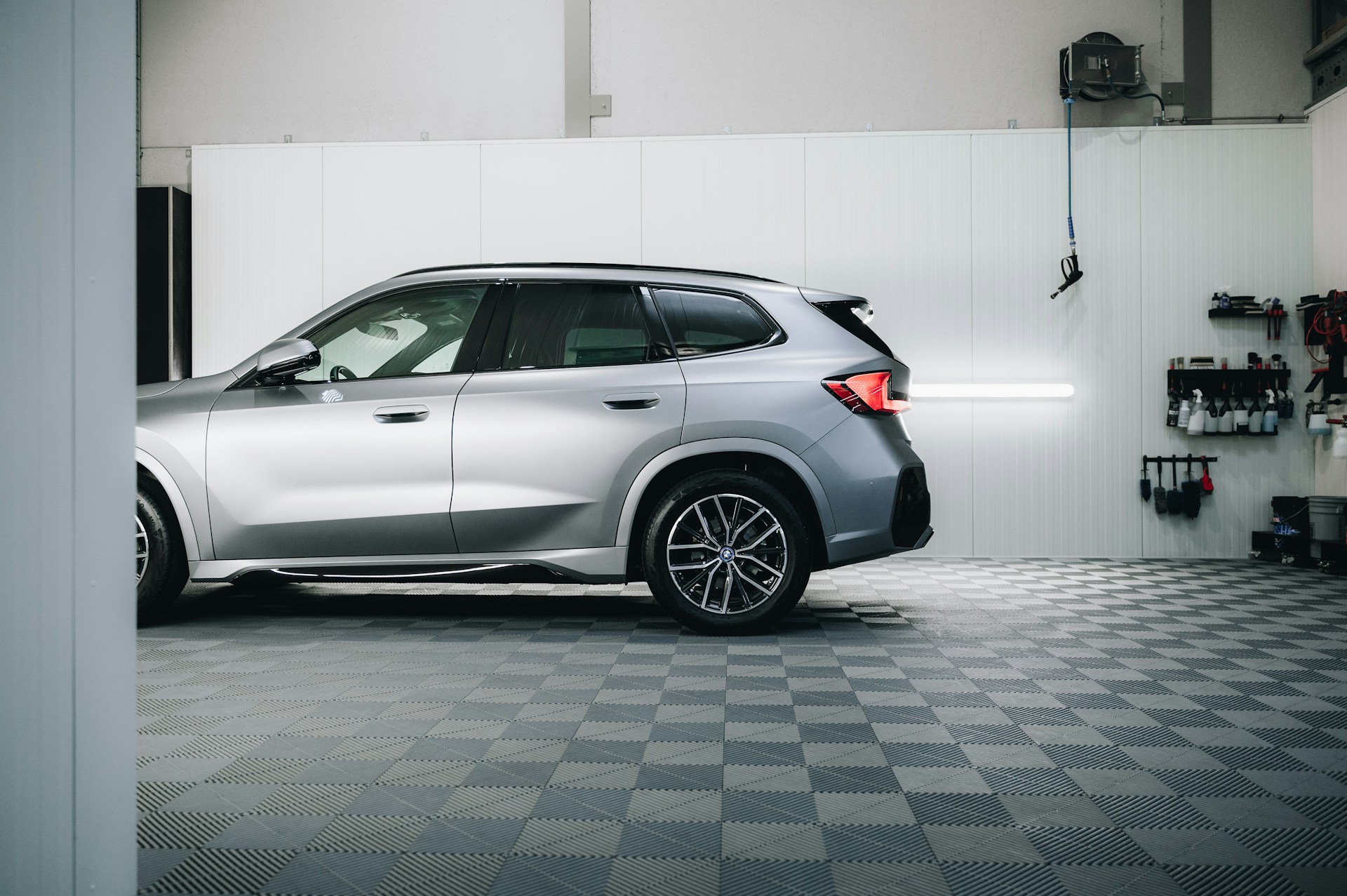
Your car’s paint is constantly under attack - from rock chips and scratches to UV rays and bird droppings. Over time, these hazards can damage your car’s finish, reducing its value and appeal. If you want to keep your vehicle looking brand new, Paint Protection Film (PPF) is one of the best investments you can make.
At AWS Wrap, we’ve seen firsthand how PPF saves car owners thousands in repairs by acting as an invisible shield against everyday wear and tear. But how do you know when it’s time to protect your car? Here are five clear signs that your car needs PPF right now.
What Is Paint Protection Film (PPF)?
PPF is a transparent, durable urethane film applied to your car’s painted surfaces. It’s designed to:
✔ Absorb impacts from road debris.
✔ Resist scratches and swirl marks.
✔ Block UV rays that cause fading.
✔ Repel stains from bugs, bird droppings, and tree sap.
✔ Self-heal minor scratches with heat (on premium films).
Unlike wax or ceramic coatings, PPF provides physical protection while keeping your car’s glossy, factory-fresh look.
Sign #1: You Drive on Highways or Gravel Roads
The Problem: Rock Chips and Road Debris
If you frequently drive on highways, construction zones, or gravel roads, your car’s paint is at high risk of chipping. Small rocks and debris kicked up by other vehicles can cause unsightly chips and cracks that are expensive to fix.
How PPF Helps
PPF acts like a shield, absorbing impacts that would otherwise damage your paint. Even if a rock hits your car, the film takes the hit, leaving your paint intact.
Real-World Example: A client brought in their brand-new Tesla Model S after a highway drive with multiple chips on the hood and fenders. After installing PPF, their car stayed flawless - even after thousands of miles.
Sign #2: You Park Outside (No Garage or Cover)
The Problem: Sun Damage and Fading
Prolonged exposure to UV rays can cause your car’s paint to:
- Fade and oxidize (losing its shine).
- Develop clear coat peeling (common in darker colors).
- Look dull and aged prematurely.
How PPF Helps
PPF blocks 99% of harmful UV rays, preventing fading and discoloration. It also resists yellowing, so your car stays vibrant for years.
Pro Tip: If you can’t park in a garage, PPF is a must-have to protect against sun damage and environmental contaminants.
Sign #3: You Notice Swirl Marks or Light Scratches
The Problem: Washing and Daily Wear
Even with careful washing, swirl marks and fine scratches can appear from:
- Automatic car washes (brushes can scratch).
- Improper hand-washing techniques.
- Keys, bags, or other objects brushing against the paint.
How PPF Helps
PPF is scratch-resistant and self-healing (on premium films like XPEL or 3M). Minor scratches disappear with heat (from the sun or a heat gun), keeping your car looking pristine.
Before & After:
- Without PPF: Swirl marks and micro-scratches make the paint look dull and worn.
- With PPF: The film absorbs scratches, and the paint stays smooth and glossy.
Sign #4: You Live in an Area with Harsh Weather
The Problem: Acid Rain, Salt, and Pollution
If you live near the coast (salt air), in a polluted city, or in an area with acid rain, your car’s paint is under constant attack. These elements can:
- Etch into the clear coat.
- Cause rust and corrosion over time.
- Leave permanent stains.
How PPF Helps
PPF is chemically resistant, so it repels:
- Bird droppings (which can eat through paint).
- Tree sap and pollen (which stain).
- Road salt and industrial fallout.
Case Study: A client in Miami (where salt air is a major issue) applied PPF to their Porsche 911. After two years, the car still looked showroom-new, while others in the same area had corroded paint.
Sign #5: You Plan to Keep Your Car Long-Term (Or Sell It Later)
The Problem: Depreciation from Paint Damage
A car with chips, scratches, or faded paint loses resale value fast. Buyers pay top dollar for vehicles that look well-maintained.
How PPF Helps
PPF preserves your car’s paint, so when it’s time to sell, your vehicle:
- Looks newer than its actual age.
- Commands a higher price (up to 10–20% more).
- Attracts serious buyers who value condition.
Industry Stat: Cars with PPF retain up to 20% more value at resale compared to unprotected vehicles.
Bonus Sign: You Love Your Car’s Current Look
The Problem: You Don’t Want to Risk It
If you’ve spent time and money on a custom paint job, vinyl wrap, or ceramic coating, why risk damaging it? Even a single deep scratch can ruin the aesthetic and require costly repairs.
How PPF Helps
PPF is invisible - it enhances gloss while providing maximum protection. It’s the ultimate insurance for your car’s appearance.
Example: A client with a matte black Lamborghini Huracán wanted to keep it flawless. After applying stealth PPF, the car stayed scratch-free for five years, even with daily driving.
PPF vs. Other Protection Methods
5 Signs Your Car Needs Paint Protection Film (PPF) Right Now
| Protection Method | Durability | Scratch Resistance | UV Protection | Self-Healing | Cost (Full Car) |
|---|---|---|---|---|---|
| Wax | 1–3 months | Low | Minimal | No | $50–$200 |
| Ceramic Coating | 2–5 years | Medium | High | No | $500–$2,000 |
| Vinyl Wrap | 3–7 years | Medium | High | No | $2,000–$5,000 |
| Paint Protection Film (PPF) | 7–10 years | High | High | Yes | $2,500–$6,000 |
Winner: PPF offers the best all-around protection for long-term durability.
How PPF Is Installed (What to Expect at AWS Wrap)
- Surface Prep – Your car is thoroughly washed, decontaminated, and dried.
- Precision Cutting – The film is custom-cut for your car’s make and model.
- Application – Our certified installers apply the film without bubbles or misalignment.
- Curing – The film bonds to the paint over 24–48 hours.
- Final Inspection – We ensure seamless coverage and a flawless finish.
Time Required: 1–3 days (depending on the vehicle).
How Much Does PPF Cost?
| Coverage Area | Estimated Cost (USD) |
|---|---|
| Full Front (Bumper, Hood, Fenders, Mirrors) | $1,500–$2,500 |
| Full Car | $2,500–$6,000 |
| Partial (Door Cups, Rocker Panels) | $500–$1,500 |
Is It Worth It? Yes! Considering the cost of repainting a single panel ($500–$2,000), PPF pays for itself by preventing damage.
Maintaining Your PPF for Longevity
To get the most out of your PPF, follow these tips:
✅ Wash your car every 1–2 weeks with a pH-neutral soap.
✅ Avoid automatic car washes (use hand wash or touchless).
✅ Apply a ceramic coating on top of PPF for extra gloss and protection.
✅ Inspect for damage every few months and repair as needed.
Pro Tip: Use a PPF-safe detail spray to maintain hydrophobic properties (water beading).
Why Choose AWS Wrap for Your PPF Installation?
✔ 10+ Years of Experience – We’ve protected thousands of cars.
✔ Premium Films – We use XPEL, 3M, and Llumar for maximum durability.
✔ Precision Installation – No bubbles, no peeling, just perfect coverage.
✔ Warranty Included – Up to 10 years on select films.
✔ Fast Turnaround – Most installations completed in 1–3 days.
Don’t Wait Until It’s Too Late
If you’ve noticed any of these signs, your car is begging for PPF. Waiting until chips, scratches, or fading appear means you’ve already lost value and appeal.
Protect Your Investment Today!
Contact AWS Wrap for a free consultation and keep your car looking brand new for years.
📞 Call: (305) 332-4741
✉️ Email: info@awswrap.com
📍 Visit: 2036 Buchanan st, Hollywood, FL 33020
Paint Protection Film is the ultimate defense against everyday hazards that ruin your car’s paint. Whether you drive daily, park outside, or just love your car’s look, PPF is a smart, long-term solution.
Act now before the damage happens - your car (and wallet) will thank you! 🚗🛡️

Related Articles
DIY vs. Professional Car Wraps: Which Is Right for You?
Thinking about giving your car a fresh new look with a vinyl wrap? Whether you want to change the color, add a custom design, or protect your paint, you have two main options: DIY car wraps or professional installation. Both have their pros and cons,...
Ceramic Coating vs Wax: Why South Florida Cars Need More Than a Wax Job
Wax has been the default paint protection product for decades, but in South Florida's climate it breaks down within weeks rather than months, leaving cars exposed to UV fading and water staining for most of the year. Ceramic coating solves the durabi...
Matte vs. Gloss Car Wraps: How to Choose the Perfect Finish
Choosing a car wrap is an exciting way to transform your vehicle’s appearance, but one of the biggest decisions you’ll face is selecting the right finish. Matte and gloss wraps are the two most popular options, each offering a distinct look and f...
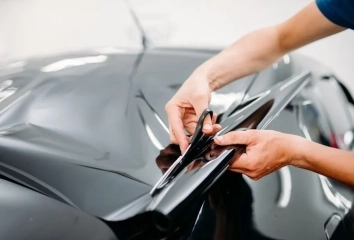
Invisible Protection That Lasts
Your vehicle’s paint is constantly exposed to hazards — from rock chips and road debris to harsh UV rays and Miami’s coastal climate. If you want to preserve that flawless, factory finish, clear bra PPF in Miami is one of the smartest investmen...
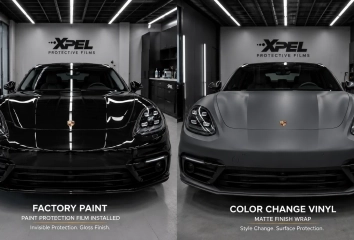
XPEL PPF vs Vinyl Wrap: What’s the Difference?
XPEL Paint Protection Film is a clear, protective layer designed to prevent chips and scratches, while vinyl wrap is primarily a cosmetic layer used to change color or finish. They can be used separately or combined, but understanding what each one a...
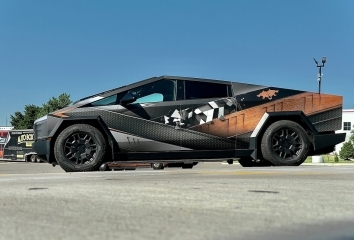
Custom Cybertruck Wraps in Miami: Stand Out from the Crowd
The Tesla Cybertruck isn’t just a vehicle - it’s a statement. With its angular, futuristic design, it already turns heads. But if you want to truly stand out in Miami’s sea of Teslas, luxury cars, and exotic rides, a custom Cybertruck wrap is t...
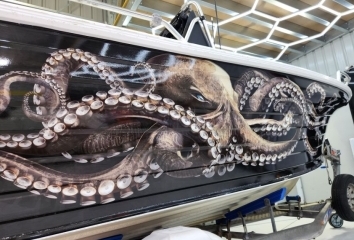
Boat Wrap Trends 2026 in Miami
Miami is one of the most vibrant boating capitals in the world, where style and performance go hand in hand. As we move into 2026, boat owners are no longer satisfied with standard finishes — they want bold designs, advanced protection, and unique ...
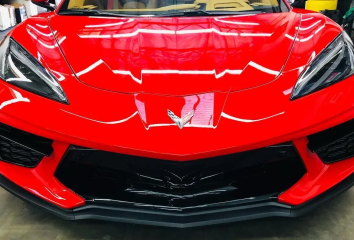
How Much PPF Costs in Miami and Why Your Car Needs It
In a city like Miami, your vehicle is constantly exposed to intense sunlight, road debris, and environmental contaminants. Whether you drive a luxury car or a daily commuter, maintaining flawless paint is a challenge. That’s why more drivers are ch...
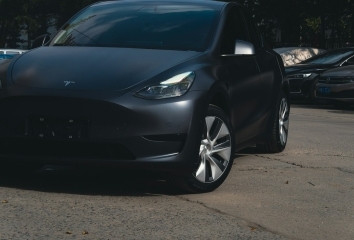
The Ultimate Guide to Tesla Wraps: Styles, Costs, and Benefits
Tesla vehicles are icons of innovation and style, but even the sleekest Model S, 3, X, or Y can benefit from a custom wrap. Whether you want to protect your paint, change the color, or add a unique design, wrapping your Tesla is a smart and stylish i...
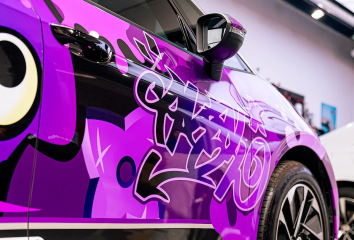
Car Design in Miami: Built Around Your Vision
In a city like Miami, where style, luxury, and individuality define the culture, your vehicle should be more than just transportation — it should be a reflection of your personality and vision. Whether you want a bold transformation, subtle enhance...
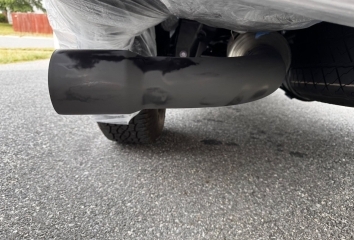
Why You Need High-Temp Muffler Coating in Miami
When it comes to vehicle customization and protection, most drivers focus on paint, wraps, or wheels — but one often-overlooked component is your exhaust system. In a hot, humid environment like Miami, your muffler is constantly exposed to extreme ...
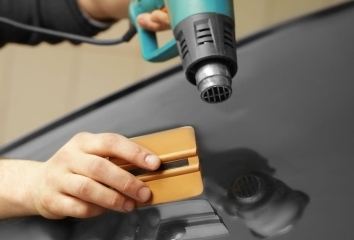
Drive Cooler, Safer, and Sleeker: Expert Window Tint in Miami
Miami’s sun is beautiful — but it’s also intense. Constant UV exposure, high temperatures, and glare can make driving uncomfortable and even damaging to your vehicle’s interior. That’s why professional window tint in Miami isn’t just a co...

