
Window Tint Laws in Florida 2026: What’s Legal for Cars and Homes
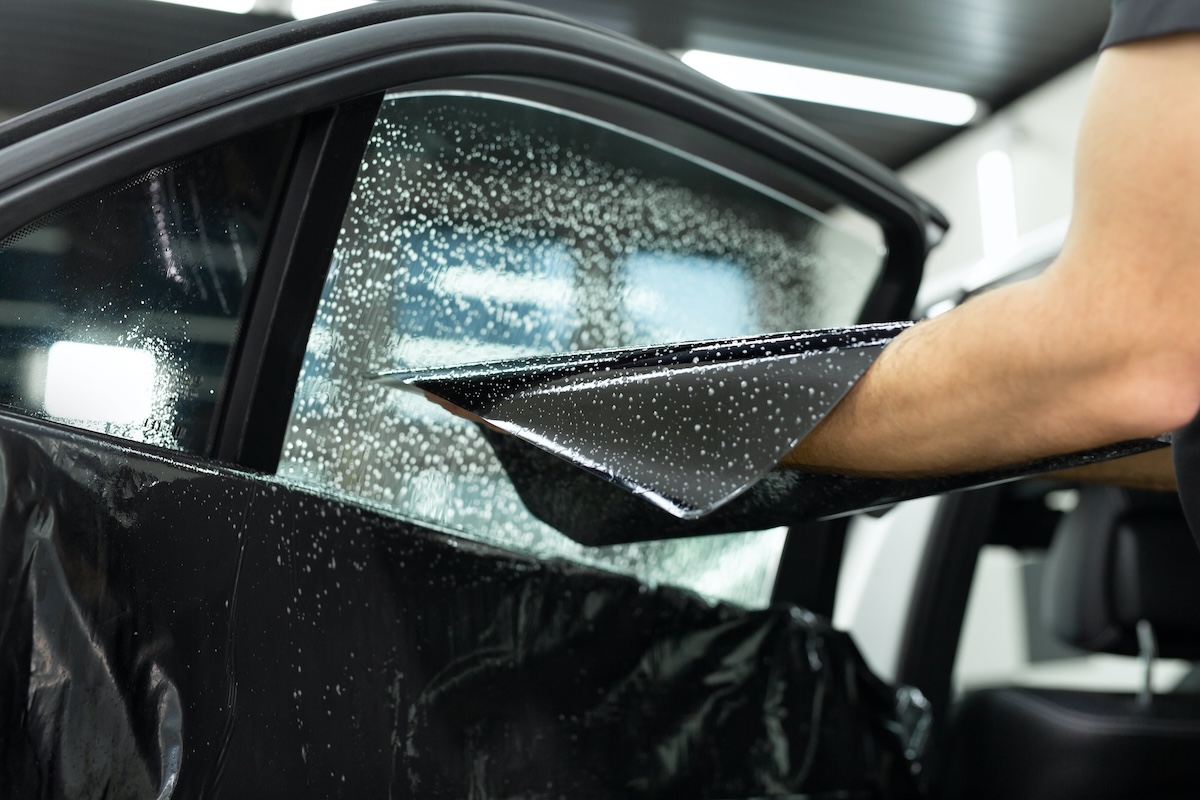
Florida applies different legal standards to vehicle window tint and residential or commercial window film, and confusing the two is one of the most common mistakes drivers and homeowners make. Understanding both sets of rules matters if you're tinting a car, a home, or both.
Vehicle Window Tint Limits
Florida law sets specific allowable darkness levels (VLT percentage) by window position, with front side windows held to a stricter standard than rear side windows and the back windshield. Sedans and SUVs/vans are also treated differently, since vans and SUVs are permitted darker rear windows than passenger cars under the same statute.
Why Residential Window Film Isn't Regulated the Same Way
Unlike vehicle tint, there's no statewide VLT restriction on residential or commercial window film in Florida - homeowners can choose virtually any darkness level for privacy or heat control. This is a key difference worth understanding if you're comparing tinting your car with tinting your home's windows, since the legal considerations are entirely separate.
What Happens If Vehicle Tint Is Too Dark
Tint darker than the legal limit can result in a traffic citation, and in some cases the vehicle won't pass inspection until the tint is adjusted or removed. A reputable installer should flag legal VLT limits before installation rather than leaving it to the owner to figure out after the fact.
Ceramic Tint and Legal Compliance
Compliance and strong heat rejection aren't mutually exclusive - see XPEL PRIME XR BLACK vs XR PLUS for how ceramic film delivers significant heat and UV rejection while staying within Florida's legal darkness limits for vehicles.
Protecting Homes Without Vehicle-Style Restrictions
Since residential film isn't bound by the same VLT rules, homeowners in South Florida have more flexibility to prioritize heat rejection and privacy over legal darkness limits - a distinction worth understanding if you're considering window film for both a vehicle and a home or commercial property.
FAQ
Is Florida's vehicle tint law different from other states?
Yes - VLT limits vary by state, and Florida's specific percentages by window position and vehicle type should be confirmed with a local installer rather than assumed from another state's rules.
Can I get darker tint on my home windows than my car?
Yes - residential and commercial window film in Florida isn't subject to the same VLT restrictions that apply to vehicles.
Does ceramic tint help me stay within legal limits while still blocking heat?
Yes - ceramic film blocks significant UV and infrared heat even at legally compliant darkness levels, unlike older dyed films that required going darker for similar heat rejection.
What happens if my car fails inspection due to tint?
You'll typically need to have the tint removed or adjusted to a compliant VLT percentage before the vehicle can pass.
Do commercial buildings have different window film rules than homes?
Commercial and residential film both fall outside the vehicle-specific VLT restrictions, though building codes may apply separately for safety-rated glass in some cases.
Get compliant, high-performance window tint installed through our XPEL Window Tint service.

Related Articles
Is Paint Protection Film Worth It in Miami? (Spoiler: Yes)
South Florida’s sun, salt air, and unpredictable weather can wreak havoc on your car’s paint. If you’ve ever cringed at the sight of rock chips, swirl marks, or fading on your vehicle, you’re not alone. The solution? Paint Protection Film (PP...

How Much Does It Cost to Wrap a Tesla in Miami
Tesla vehicles are known for their sleek design, cutting-edge technology, and premium finishes. But if you want to take your Tesla to the next level, nothing compares to a custom vinyl wrap. Whether you're looking to change the color, protect your pa...

Tesla Wraps That Turn Heads: Where to Get the Best in Miami
Tesla vehicles are already head-turners, but a custom vinyl wrap takes them to the next level. Whether you want to protect your paint, change the color, or add unique graphics, wrapping your Tesla is a smart, stylish, and cost-effective alternative t...
Ceramic Coating vs Wax: Why South Florida Cars Need More Than a Wax Job
Wax has been the default paint protection product for decades, but in South Florida's climate it breaks down within weeks rather than months, leaving cars exposed to UV fading and water staining for most of the year. Ceramic coating solves the durabi...
XPEL PRIME XR PLUS Heat Rejection in Miami: Is It Worth the Upgrade?
For Miami drivers who prioritize cabin comfort, maximum heat rejection, and clear visibility, XPEL PRIME XR PLUS is usually worth the upgrade over lower-tier tint. Its strongest advantage is not simply darker glass: it uses nano-ceramic technology to...

Why Skipping Professional Car Polishing Could Cost Your Miami Vehicle
Miami’s sun, humidity, and coastal environment can take a serious toll on your vehicle’s paint. Even minor scratches, swirl marks, or oxidation can make a car look aged and worn, no matter how new it is. That’s why professional car polishing in...
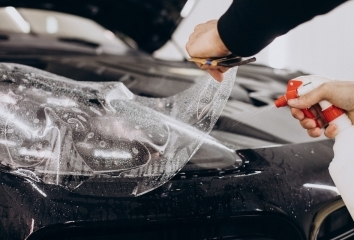
How the Price of Paint Protection Film Has Changed in Miami (2023 vs. 2026)
If you’ve been considering paint protection film in Miami over the past few years, you may have noticed that prices have fluctuated significantly - sometimes rising, sometimes stabilizing, and occasionally even dropping for certain services. Betwee...
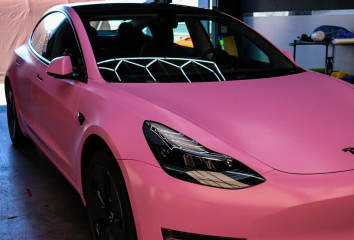
AWS Wrap: Miami’s Top Choice for Premium Tesla Wraps
South Florida is a hotspot for luxury, innovation, and individuality - and nothing embodies that spirit more than a wrapped Tesla. Whether you're cruising down Ocean Drive in Miami, navigating the palm-lined streets of Fort Lauderdale, or making a st...

PPF vs. Ceramic Coating: Which Is Best for Protecting Your Car?
When it comes to protecting your car’s paint, two of the most popular options are Paint Protection Film (PPF) and ceramic coating. Both offer superior protection against scratches, UV rays, and environmental damage, but they work in very different ...
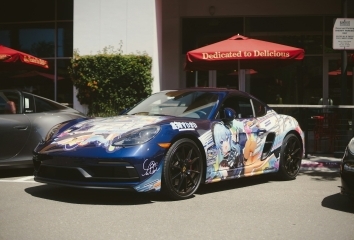
Custom Car Wraps: How to Design a Look That Turns Heads
Your car is more than just a mode of transportation - it’s an extension of your personality. If you want to stand out on the road, a custom car wrap is the ultimate way to make a statement. Unlike traditional paint jobs, wraps offer endless de...
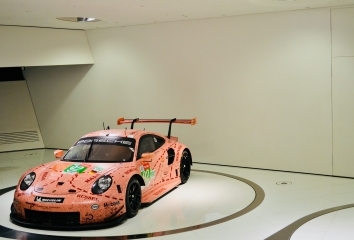
DIY vs. Professional Car Wraps: Which Is Right for You?
Thinking about giving your car a fresh new look with a vinyl wrap? Whether you want to change the color, add a custom design, or protect your paint, you have two main options: DIY car wraps or professional installation. Both have their pros and cons,...
How Long Do Commercial Fleet Wraps Last Before a Redesign Is Needed
Commercial fleet wraps typically last 5-7 years under normal conditions, but Miami's intense sun and daily driving mileage often shorten that window compared to fleets in milder climates. Knowing what actually causes a wrap to age helps you plan a re...

