
Ceramic vs Dyed vs Metallic Window Tint: Why It Matters in Miami
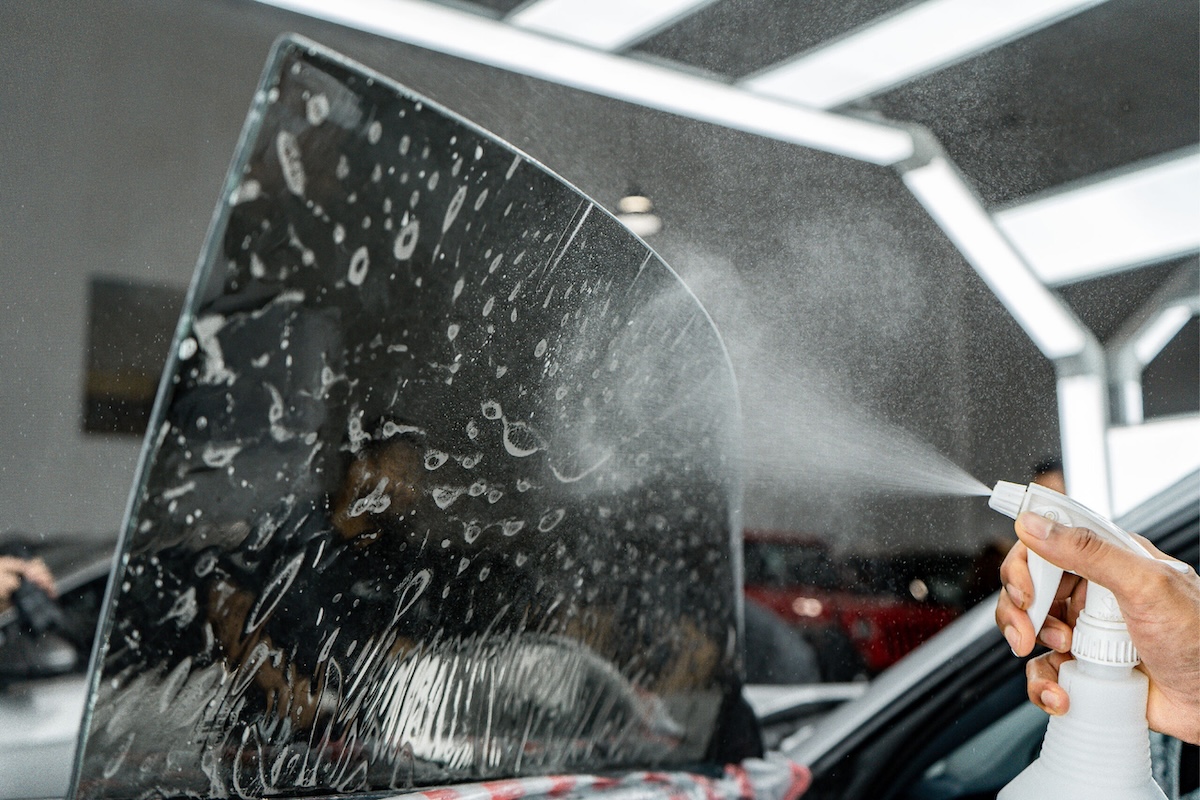
Window tint isn't a single product - dyed, metallic, and ceramic films perform very differently in heat rejection, durability, and signal interference, which matters significantly in a climate as demanding as Miami's. Choosing the wrong type often means paying for tint that fades or underperforms within a few years.
Dyed Window Tint
Dyed film is the most affordable option and works primarily by absorbing light rather than reflecting or blocking heat efficiently, which means it offers noticeably weaker heat rejection than ceramic or metallic alternatives. It's also the most prone to fading and turning purple over time under Florida's intense UV exposure.
Metallic Window Tint
Metallic film reflects heat using tiny metal particles embedded in the film, giving it better heat rejection than dyed tint, but the metallic content can interfere with phone signal, GPS, and radio reception. This is a significant downside for drivers who rely on connected car features or navigation.
Ceramic Window Tint
Ceramic film uses non-metallic, non-conductive nanoceramic particles to block heat and UV without any signal interference, making it the top-performing option for both heat rejection and practical daily use. See XPEL PRIME XR BLACK vs XR PLUS for how XPEL's ceramic film lineup compares within this category.
Side-by-Side Comparison
| Factor | Dyed | Metallic | Ceramic |
|---|---|---|---|
| Heat rejection | Low | Moderate | High |
| Signal interference | None | Yes | None |
| Fading over time | High | Low | Very low |
| Typical lifespan | 2-5 years | 5-7 years | 10+ years |
Why Ceramic Is the Standard for Florida Drivers
Given Miami's intense year-round UV exposure and reliance on GPS and connected features, ceramic film's combination of superior heat rejection and zero signal interference makes it the practical default rather than a premium upsell. Pairing ceramic tint with Paint Protection Film rounds out a full protection package against Florida's sun - see How to Protect Your Car from the Florida Sun for the complete approach.
FAQ
Is dyed tint ever a good choice in Miami?
It's the most budget-friendly option, but its weaker heat rejection and tendency to fade make it a poor long-term fit for Florida's climate.
Does metallic tint always interfere with cell signal?
Not always to the same degree, but the metallic content creates a real risk of interference, which ceramic film avoids entirely.
Is ceramic tint worth the higher price?
Yes for most Miami drivers - its longevity and heat rejection performance typically offset the higher upfront cost within a few years compared to replacing dyed film.
Can I tell what type of tint is currently on my car?
A professional installer can usually identify the film type visually or by testing heat rejection and signal performance, especially useful before deciding whether to upgrade.
Does ceramic tint fade like dyed film does?
No - ceramic film is significantly more resistant to fading and color change over time, even under constant UV exposure.

Related Articles
Custom Car Wraps: How to Design a Look That Turns Heads
Your car is more than just a mode of transportation - it’s an extension of your personality. If you want to stand out on the road, a custom car wrap is the ultimate way to make a statement. Unlike traditional paint jobs, wraps offer endless de...
Turn Heads Instantly: Get a Show-Stopping Vinyl Color Change in Miami
Looking to give your vehicle a bold new appearance without committing to permanent paint? At AWS Wrap, we specialize in premium vinyl color change services in Miami, helping drivers completely transform their cars in just a few days. Whether you want...
Ceramic Coating vs Wax: Why South Florida Cars Need More Than a Wax Job
Wax has been the default paint protection product for decades, but in South Florida's climate it breaks down within weeks rather than months, leaving cars exposed to UV fading and water staining for most of the year. Ceramic coating solves the durabi...
XPEL Ceramic Coating Cost in Miami: What Actually Affects the Price
Ceramic coating pricing varies significantly based on coating tier, paint condition before application, and vehicle size - not just a flat rate per car. Understanding what drives the cost helps you compare quotes accurately instead of choosing based ...
Boat Wrap Trends 2026 in Miami
Miami is one of the most vibrant boating capitals in the world, where style and performance go hand in hand. As we move into 2026, boat owners are no longer satisfied with standard finishes — they want bold designs, advanced protection, and unique ...
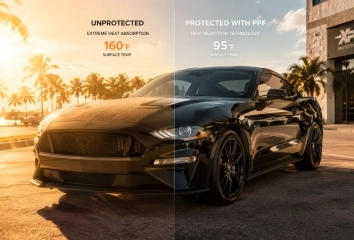
How to Protect Your Car from the Florida Sun
Florida's year-round intense UV exposure fades paint, cracks dashboards, and heats up cabins faster than in almost any other US market, making sun protection a practical necessity rather than a cosmetic upgrade. The most effective approach combines p...
Best Paint Protection Options for Tesla Owners
Teslas benefit most from a combination of PPF on high-impact panels and ceramic coating across the body, since Tesla's factory paint is known to be thinner and more prone to chipping than many traditional automakers. Window tint is also a common addi...
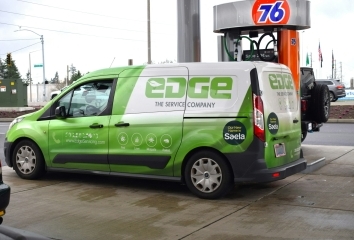
Why Businesses Need Commercial Vehicle Wraps for Brand Visibility
In today’s competitive business landscape, standing out from the crowd is essential. One of the most effective and cost-efficient ways to boost brand visibility is through commercial vehicle wraps. Whether you own a small local business or a large ...
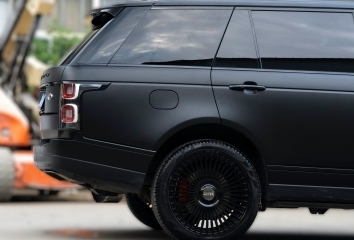
How Much Does a Full Car Wrap Cost? A Complete Pricing Guide (2026)
A full car wrap is one of the best ways to transform your vehicle’s appearance, protect its paint, and boost its resale value. But before you dive in, it’s important to understand the costs involved. Prices can vary widely depending on the type o...
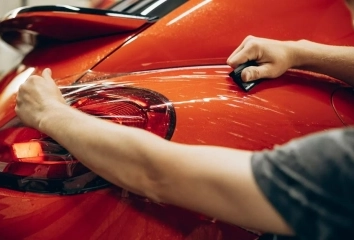
Is Paint Protection Film Worth It in Miami? (Spoiler: Yes)
South Florida’s sun, salt air, and unpredictable weather can wreak havoc on your car’s paint. If you’ve ever cringed at the sight of rock chips, swirl marks, or fading on your vehicle, you’re not alone. The solution? Paint Protection Film (PP...
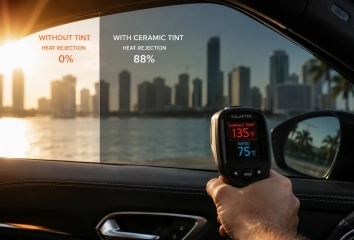
XPEL PRIME XR BLACK vs XR PLUS
XPEL PRIME XR PLUS is a ceramic window film built for maximum heat rejection and signal clarity, while XPEL PRIME XR BLACK offers strong heat rejection at a more accessible price point with a deeper black appearance. Both are non-metallic ceramic fil...
10 Stunning Car Wrap Ideas to Transform Your Ride in 2026
Want to turn heads and make your car truly unique in 2026? A custom car wrap is the fastest, most versatile way to give your vehicle a complete makeover - without the permanence or cost of a custom paint job. Whether you drive a sports car, SUV,...

