XPEL PRIME XR PLUS Heat Rejection in Miami: Is It Worth the Upgrade?
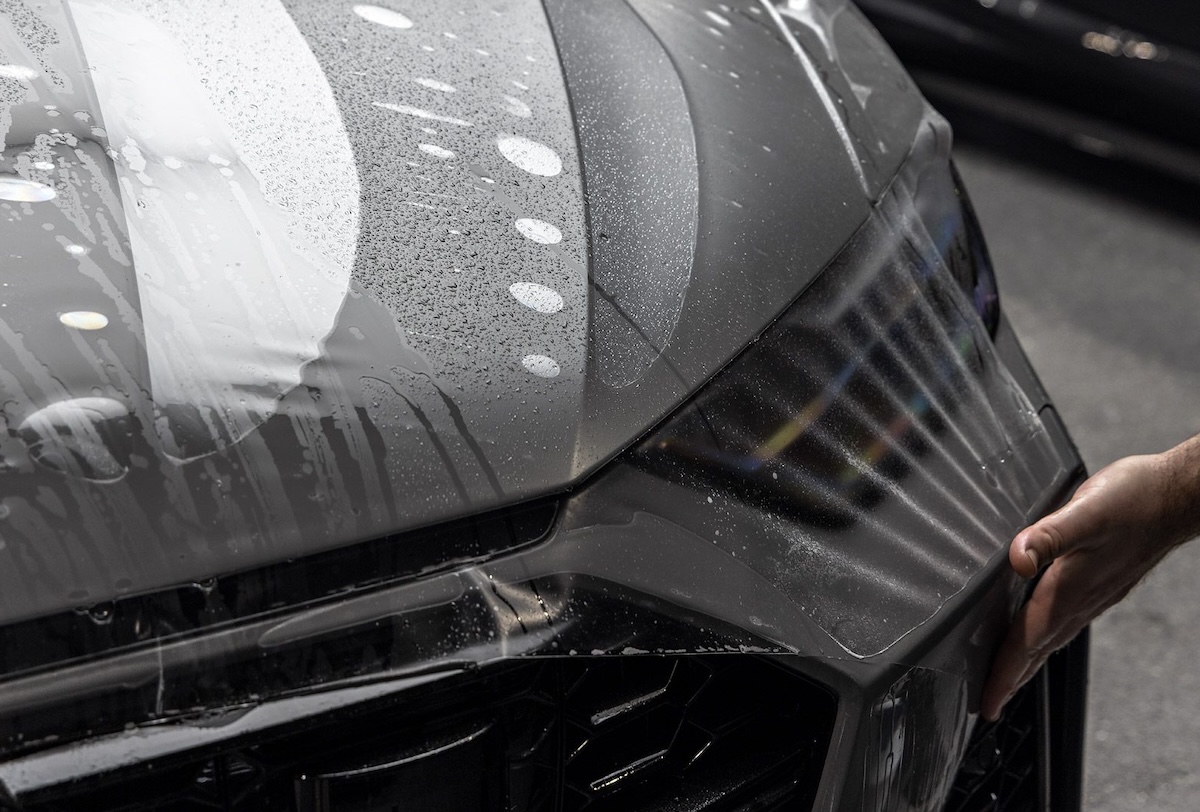
For Miami drivers who prioritize cabin comfort, maximum heat rejection, and clear visibility, XPEL PRIME XR PLUS is usually worth the upgrade over lower-tier tint. Its strongest advantage is not simply darker glass: it uses nano-ceramic technology to reject a high percentage of infrared energy while remaining available in lighter, more visible tint shades.
That matters in South Florida. A dark film can improve privacy, but darkness alone does not determine how much heat a window film rejects. PRIME XR PLUS is designed for drivers who want strong heat performance without relying only on a very dark VLT.
According to XPEL’s current technical specification sheet, PRIME XR PLUS can deliver up to 70% total solar energy rejection, up to 96% infrared rejection at 1025 nm, up to 70% infrared energy rejection across the 780–2500 nm range, and 99% UV rejection, depending on the tint shade selected.
Quick Answer: Is XR PLUS Worth It?
Choose XPEL PRIME XR PLUS if you want:
- Maximum heat rejection from a ceramic automotive tint.
- Strong performance even in lighter shades.
- Reduced cabin heat without using a very dark appearance.
- 99% UV rejection to help protect passengers and interior surfaces.
- Non-metallic film that avoids signal interference from metalized tint.
- A better option for vehicles with large glass areas, panoramic roofs, or heavy daily sun exposure.
Choose XPEL PRIME XR BLACK if you want a deep-black appearance with strong ceramic performance while keeping the initial investment lower.
The correct choice is not “XR PLUS is always better.” It is: XR PLUS is the better fit when heat rejection and comfort matter more than achieving the darkest cosmetic finish for the lowest price.
Why Heat Rejection Matters More in Miami
Miami heat comes from more than visible sunlight. Infrared radiation is a major contributor to the heat you feel inside the cabin, while UV exposure contributes to interior fading, material aging, and skin exposure.
XPEL notes that infrared radiation is the primary source of the heat occupants feel from sunlight, even though UV represents a much smaller part of total solar energy. That is why two windows can look similarly dark but feel very different inside the car: their films may have completely different infrared and total solar energy rejection performance.
A heat-rejecting ceramic film helps reduce the amount of solar energy entering through the glass. In practical use, this can mean:
- Less intense heat buildup while parked.
- Faster perceived cool-down once the A/C is running.
- Reduced direct solar load on the dashboard, seats, trim, and electronics.
- More comfort for passengers on long commutes or daily South Florida driving.
- Better comfort in vehicles with large glass roofs and broad windshield areas.
XPEL reports that its window film can reduce interior heat by up to 60%, depending on the film and installation configuration. Real-world results vary by vehicle, glass area, parking conditions, cabin color, tint shade, and whether the windshield or panoramic roof is treated where legally permitted.
What “Heat Rejection” Actually Means
Window-film specifications use several different measurements. They are related, but they are not interchangeable.
| Metric | What It Measures | Why It Matters |
|---|---|---|
| VLT | Visible Light Transmittance | How light or dark the window appears and whether it may meet local legal requirements |
| TSER | Total Solar Energy Rejected | Overall solar-energy rejection; useful for comparing total heat-performance potential |
| IR Rejection | Rejection at a specified infrared wavelength | A narrow-point IR measurement; useful but should not be viewed alone |
| IRER | Infrared Energy Rejection across a range | A broader IR-energy measurement that accounts for transmitted, absorbed, and reradiated infrared energy |
| UV Rejection | Blocking of ultraviolet rays | Relevant to skin exposure and interior fading |
| VLR | Visible Light Reflectance | How reflective the film looks from outside |
XPEL’s own specification sheet distinguishes between IR rejection measured at a single 1025 nm wavelength and IRER measured across the 780–2500 nm infrared range. It also notes that published visible-light, solar-energy, UV, and infrared values can have a ±3% performance tolerance.
That means a responsible comparison should not use a single “up to 98% IR rejection” figure as the only decision metric. For Miami heat, compare the exact VLT shade and look at TSER plus IRER, then factor in visibility, appearance, budget, and legal compliance.
XPEL PRIME XR PLUS Performance by Shade
Tint shade affects visible darkness and performance. In general, darker shades reject more total solar energy because less visible and solar energy passes through the glass. However, XR PLUS is designed to maintain strong infrared and UV performance even in lighter options.
The figures below are from XPEL’s specification sheet and are measured with film applied to 1/8-inch glass; actual installed performance may vary based on a vehicle’s OEM glass and overall configuration.
| XPEL PRIME XR PLUS Shade | Approximate VLT | TSER | IRER | UV Rejection | Best Fit |
|---|---|---|---|---|---|
| XR PLUS 70 | 67% | 52% | 58% | 99% | Drivers who want a nearly clear look with meaningful heat reduction |
| XR PLUS 55 | 57% | 53% | 65% | 99% | Light appearance with strong comfort improvement |
| XR PLUS 45 | 45% | 58% | 70% | 99% | Balanced visibility and heat rejection |
| XR PLUS 35 | 38% | 59% | 70% | 99% | Popular middle-ground option, subject to vehicle and legal requirements |
| XR PLUS 20 | 18% | 66% | 70% | 99% | Darker privacy and stronger solar rejection |
| XR PLUS 5 | 5% | 71% | 70% | 99% | Maximum privacy appearance; legal use depends on window and vehicle type |
The key takeaway is that XR PLUS 70 can look nearly clear while still providing 52% TSER, 58% IRER, and 99% UV rejection. That is why premium ceramic film is particularly useful for drivers who want performance without an overly dark appearance.
XR PLUS vs XR BLACK: What Is the Real Difference?
Both XPEL PRIME XR PLUS and XR BLACK are ceramic tint options with 99% UV rejection. The decision generally comes down to heat performance, look, and budget.
| Factor | XPEL PRIME XR PLUS | XPEL PRIME XR BLACK |
|---|---|---|
| Primary focus | Maximum ceramic heat rejection | Deep-black appearance with strong ceramic performance |
| Highest listed TSER | Up to 71% | Up to 66% |
| Highest listed IRER | Up to 70% | Up to 64% |
| UV rejection | 99% | 99% |
| Film look | More neutral and performance-led | Deeper black cosmetic appearance |
| Best for | Drivers prioritizing heat reduction and comfort | Drivers prioritizing black appearance and strong value |
| Price tier | Premium | Mid-premium |
For example, in the 35 series, XPEL lists XR PLUS 35 at 59% TSER and 70% IRER, compared with XR BLACK 35 at 59% TSER and 58% IRER. In the 70 series, XR PLUS lists 52% TSER and 58% IRER, while XR BLACK lists 49% TSER and 57% IRER. Exact differences depend on the selected shade.
Read the detailed comparison: XPEL PRIME XR BLACK vs XR PLUS.
Why Lighter Ceramic Tint Can Be a Smart Choice
Some drivers assume darker tint is automatically cooler. Darker film can reduce more solar energy overall, but a high-quality ceramic film can produce meaningful heat reduction at a lighter VLT.
This is particularly useful for:
- Drivers who want to remain within Florida tint limits.
- Owners who prefer better nighttime visibility.
- Luxury and performance cars where a nearly clear, factory-like appearance is preferred.
- Windshield or panoramic-glass applications where a light film may be appropriate and legally permitted.
- Tesla owners who want heat control without making the cabin look excessively dark.
XPEL states that PRIME XR PLUS 70 is nearly transparent while blocking up to 96% of infrared heat and 99% of UV rays. That claim refers to IR rejection at the stated single-wavelength metric, not TSER, which is why reviewing both measurements is important.
Is PRIME XR PLUS Worth It for a Tesla?
For Tesla owners in Miami, PRIME XR PLUS is often one of the most practical upgrades because Teslas have large glass areas, including panoramic roof glass on many models. The increased glass area can create a hotter cabin when parked outdoors and raises the importance of heat-rejection performance rather than tint darkness alone.
A common Tesla-focused strategy includes:
- XR PLUS on side and rear glass in a legal shade that fits the owner’s desired privacy level.
- A lighter, high-performance ceramic film on eligible windshield or roof glass where appropriate and legally permitted.
- XPEL Paint Protection Film on high-impact exterior panels.
- Ceramic coating for easier washing, water-spot resistance, and UV/chemical protection on painted and PPF-protected surfaces.
For more protection planning, see Best Paint Protection Options for Tesla Owners.
What Determines XR PLUS Installation Cost?
A meaningful quote depends on more than the vehicle’s make and model.
Vehicle glass area
Large SUVs, trucks, EVs with panoramic roofs, and vehicles with complex rear glass require more material and labor than a conventional compact sedan.
Selected VLT shade
Different shades are selected for different visual and performance goals. The right shade depends on legal limits, desired privacy, night visibility, and heat-control priorities.
Windshield and roof scope
Where legally allowed and appropriate for the specific vehicle, adding film to a windshield or panoramic roof can alter the package scope and installation time.
Existing tint removal
Removing old tint, adhesive residue, bubbling film, or degraded dyed film may require extra prep before new ceramic tint is installed.
Film selection
XR PLUS is XPEL’s premium performance tier. XR BLACK may be the better choice if visual darkness and a rich black appearance matter more than extracting the highest available IRER figure from a lighter shade.
Florida Tint Compliance Comes First
A ceramic tint’s heat performance does not override Florida tint requirements. Legal VLT depends on the vehicle type, window location, existing factory glass, and applicable exemptions.
Do not select tint based only on the film’s advertised VLT. Factory glass already filters some visible light, so the final installed VLT is the combination of the glass and film. A compliant film selection on one vehicle may not produce the same final VLT on another.
For a broader overview, read Window Tint Laws in Florida 2026: What’s Legal for Cars and Homes. Before installation, confirm the intended shade with a professional installer based on your actual vehicle and the applicable Florida requirements.
How XR PLUS Helps Protect Your Interior
Ceramic film does not stop a rock chip or replace paint protection film, but it plays an important role in the interior side of vehicle preservation.
Quality tint can help reduce:
- UV exposure on leather, vinyl, plastics, trim, and upholstery.
- Dashboard fading and material drying from constant sun.
- Glare during daytime driving.
- Heat buildup that makes the A/C work harder to restore cabin comfort.
- Passenger exposure to UV transmitted through untreated glass.
XPEL lists 99% UV rejection across the PRIME XR PLUS shades in its current specification sheet.
For a full South Florida protection approach, read How to Protect Your Car from the Florida Sun.
Get XPEL PRIME XR PLUS Window Tint in Hollywood, FL
The right XPEL PRIME XR PLUS package depends on how you use the vehicle, where it is parked, how much heat enters through the glass, your privacy preference, and the final VLT that can be used legally on your vehicle.
AWS Wrap installs XPEL Window Tint in Hollywood, FL for drivers in Hollywood, Miami, Fort Lauderdale, and the surrounding South Florida area. During a consultation, we can compare XR PLUS and XR BLACK options, select a VLT appropriate for your vehicle, and build a tint package around your real comfort and visibility priorities.
FAQ
Does XPEL PRIME XR PLUS really make a difference in Miami heat?
Yes. PRIME XR PLUS is designed to reject infrared energy and total solar energy while blocking 99% of UV rays. The exact difference you feel depends on the shade, vehicle glass area, parking conditions, and whether other glass areas are treated.
Is XR PLUS better than XR BLACK?
XR PLUS offers higher listed infrared-energy rejection performance and is the better option when maximum heat reduction is the priority. XR BLACK is a strong ceramic alternative for drivers who prioritize a deep-black appearance and a lower price point.
Does darker tint always block more heat?
Not necessarily. Darker VLT reduces visible light, but ceramic-film construction affects infrared and solar-energy rejection. A lighter XR PLUS shade can still provide meaningful heat performance while retaining a clearer appearance.
Will XPEL PRIME XR PLUS interfere with cell service, GPS, Bluetooth, or radio?
XPEL positions PRIME XR PLUS as a non-metallic ceramic tint option. Ceramic films do not use metal layers that can interfere with electronic signals in the way some metallic films can.
How much UV does XPEL PRIME XR PLUS block?
XPEL lists 99% UV rejection for its PRIME XR PLUS shades in the current specification sheet.
Can XR PLUS be installed on a windshield?
Windshield film selection must comply with Florida law and must be appropriate for the vehicle. A professional installer should evaluate the vehicle, intended VLT, legal restrictions, and visibility needs before recommending a windshield option.
What tint shade should I choose for my car?
Choose based on four factors: legal compliance, desired privacy, nighttime visibility, and heat-rejection goals. The same film shade can produce a different final VLT on different vehicles because factory glass varies.
Is PRIME XR PLUS worth the higher price?
It is usually worth the upgrade for owners who spend significant time in their vehicle, park outdoors, drive a car with extensive glass, want lighter tint with stronger heat rejection, or prioritize maximum comfort in Miami’s climate. If the main goal is a blacker appearance at a lower cost, XR BLACK may offer better value.

Related Articles
Turn Heads Instantly: Get a Show-Stopping Vinyl Color Change in Miami
Looking to give your vehicle a bold new appearance without committing to permanent paint? At AWS Wrap, we specialize in premium vinyl color change services in Miami, helping drivers completely transform their cars in just a few days. Whether you want...
Auto Window Tint: Stay Cool, Protected & Private
Driving in Miami means dealing with intense sun, high temperatures, and constant UV exposure. If your vehicle feels like an oven or your interior is fading over time, it’s time to consider auto window tint in Miami. Window tinting is more than just...
Self-Healing PPF Explained: Does the Technology Really Work?
Self-healing PPF uses a heat-reactive top layer that returns to its original shape after light scratches or swirl marks, and yes, the technology works - but only within specific limits. Understanding what it can and can't fix helps set re...
Custom Cybertruck Wraps in Miami: Stand Out from the Crowd
The Tesla Cybertruck isn’t just a vehicle - it’s a statement. With its angular, futuristic design, it already turns heads. But if you want to truly stand out in Miami’s sea of Teslas, luxury cars, and exotic rides, a custom Cybertruck wrap is t...
Make Your Tesla Stand Out With Professional Custom Wraps
Tesla owners know that their vehicles are more than just cars — they are statements of innovation, luxury, and sustainability. If you want to enhance your Tesla’s appearance, protect its finish, and make it uniquely yours, professional Tesla wrap...
Fleet Wrap Design Tips That Actually Get Noticed on Miami Roads
A fleet wrap in Miami is only as effective as its ability to grab attention in the few seconds a driver has to notice it, which means design choices matter far more than most business owners initially expect. Getting the layout, color, and messaging ...
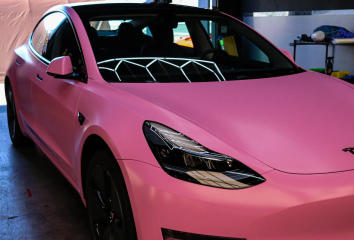
AWS Wrap: Miami’s Top Choice for Premium Tesla Wraps
South Florida is a hotspot for luxury, innovation, and individuality - and nothing embodies that spirit more than a wrapped Tesla. Whether you're cruising down Ocean Drive in Miami, navigating the palm-lined streets of Fort Lauderdale, or making a st...
Custom Muffler Painting in Miami – Style, Protection
When it comes to customizing your vehicle, every detail counts — and that includes the parts that others may not notice at first glance. Custom muffler painting in Miami is a unique way to elevate your car’s aesthetic, protect metal components, a...
Miami Car Owners: Shield Your Paint with Professional PPF
Miami’s roads, sun, and coastal environment can be tough on vehicles. Even a small rock chip, bug splatter, or minor scratch can compromise your car’s paint and reduce its resale value. That’s why Paint Protection Film in Miami has become an es...
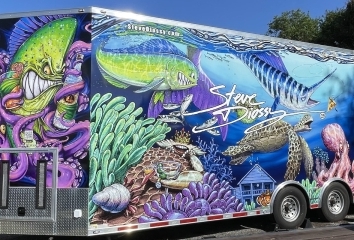
How Long Do Commercial Fleet Wraps Last Before a Redesign Is Needed
Commercial fleet wraps typically last 5-7 years under normal conditions, but Miami's intense sun and daily driving mileage often shorten that window compared to fleets in milder climates. Knowing what actually causes a wrap to age helps you plan a re...
Why Businesses Need Commercial Vehicle Wraps for Brand Visibility
In today’s competitive business landscape, standing out from the crowd is essential. One of the most effective and cost-efficient ways to boost brand visibility is through commercial vehicle wraps. Whether you own a small local business or a large ...
PPF vs Ceramic Coating – Which Protection Is Right for Your Car in Miami
Protecting your vehicle’s paint is no longer optional—especially in a climate like Miami. Constant UV exposure, road debris, salt air, and environmental contaminants can quickly damage even the highest-quality paint finishes. That’s why car own...

