
Self-Healing PPF Explained: Does the Technology Really Work?
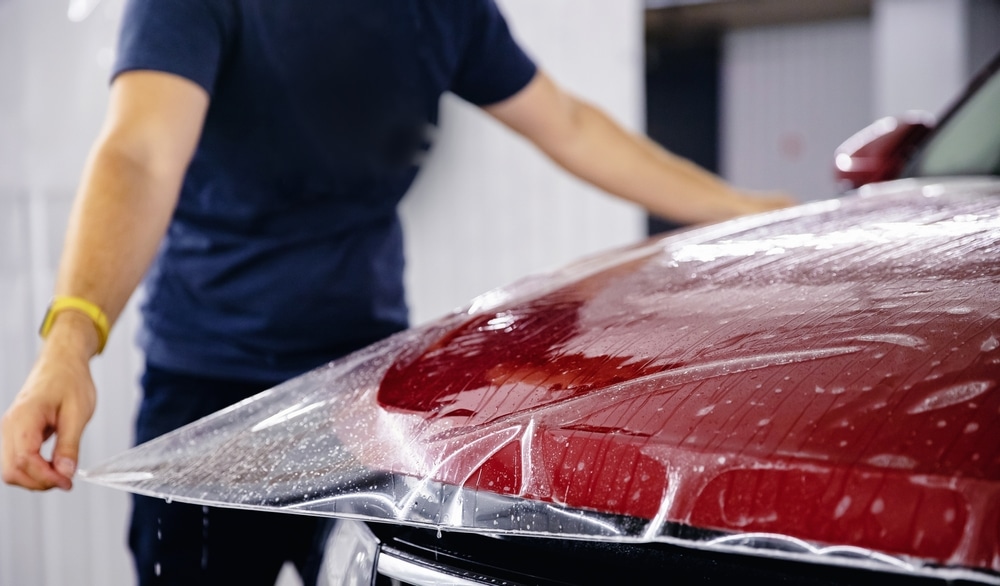
Self-healing PPF uses a heat-reactive top layer that returns to its original shape after light scratches or swirl marks, and yes, the technology works - but only within specific limits. Understanding what it can and can't fix helps set realistic expectations before you invest in a self-healing film package.
How Self-Healing Technology Works
The top coat of self-healing film contains elastomeric polymers that soften with heat - from sunlight or warm water - allowing the material to flow back into place and erase light surface scratches. This is why scratches often "disappear" after a car sits in the sun or goes through a warm-water wash.
What Self-Healing PPF Can Fix
- Light swirl marks from washing
- Minor scuffs from parking lot contact
- Fine scratches from branches or brushes
- Water spot etching on the film surface
What It Can't Fix
Deep scratches, gouges from rocks, or cuts that penetrate through the film's full thickness won't self-heal - these require panel replacement, not heat exposure. It's also not a substitute for the impact protection PPF itself provides against chips.
Does Climate Affect Self-Healing Speed?
Miami's consistent heat actually works in favor of self-healing film, since the process relies on ambient or applied warmth - scratches often heal faster here than in cooler climates, sometimes within hours of sun exposure.
FAQ
Do all PPF films have self-healing properties?
No - only specific premium film lines include this technology; standard PPF does not self-heal.
How do I speed up the self-healing process?
Park in direct sunlight or use warm (not boiling) water on the affected area.

Related Articles
Marine PPF vs Automotive PPF: Why Your Boat Needs a Different Film
Automotive PPF is engineered to resist road debris and highway conditions, while Marine PPF is formulated specifically for constant saltwater exposure, UV intensity on open water, and repeated dock contact. Using automotive-grade film on a boat often...
Don’t Drive Boring: Miami’s Most Stunning Car Wraps of 2026
Miami is a city where style isn’t just appreciated - it’s expected. From the sleek lines of a Tesla Model S gliding down Ocean Drive to the bold, custom designs of a Lamborghini Huracán parked in Brickell, every car on the road is a statement. A...
How Long Does a Car Wrap Last? Tips to Extend Its Lifespan
A car wrap is a fantastic way to transform your vehicle’s appearance, protect its paint, and even boost your brand visibility if you’re using it for business. But one of the most common questions we hear at AWS Wrap is: "How long does a car wrap ...
5 Signs Your Car Needs Paint Protection Film (PPF) Right Now
Your car’s paint is constantly under attack - from rock chips and scratches to UV rays and bird droppings. Over time, these hazards can damage your car’s finish, reducing its value and appeal. If you want to keep your vehicle looking brand n...
Why Choose an XPEL Authorized Dealer?
Choosing an XPEL Authorized Dealer means your car is protected with genuine XPEL film, backed by a manufacturer warranty, and installed by technicians trained and certified directly by XPEL. Uncertified shops may use lookalike film or unofficial inst...
How Much PPF Costs in Miami and Why Your Car Needs It
In a city like Miami, your vehicle is constantly exposed to intense sunlight, road debris, and environmental contaminants. Whether you drive a luxury car or a daily commuter, maintaining flawless paint is a challenge. That’s why more drivers are ch...
How to Maintain Ceramic Coating After Application: Miami Owner’s Guide
Ceramic coating drastically reduces maintenance compared to wax, but it isn't completely maintenance-free - a few simple habits keep the hydrophobic layer performing at full strength for years. Getting the first few weeks right matters most, since th...
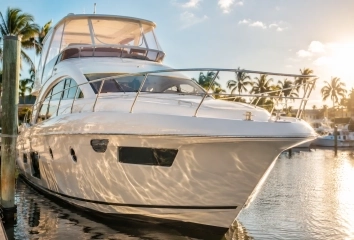
How to Protect Your Boat’s Gelcoat from Florida Sun and Saltwater
Florida's combination of intense year-round UV exposure and constant saltwater contact oxidizes and fades gelcoat faster than in almost any other boating market, making proactive protection a necessity rather than an occasional touch-up. The most eff...
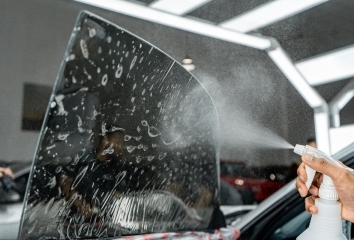
Ceramic vs Dyed vs Metallic Window Tint: Why It Matters in Miami
Window tint isn't a single product - dyed, metallic, and ceramic films perform very differently in heat rejection, durability, and signal interference, which matters significantly in a climate as demanding as Miami's. Choosing the wrong t...
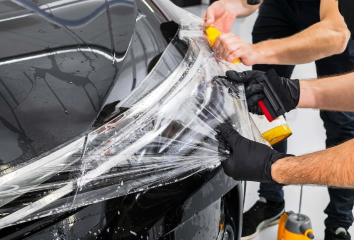
Top Rated PPF Miami Services for Full Car Protection
Your car faces daily exposure to road debris, harsh sunlight, and environmental contaminants—especially in a climate like Miami. Over time, these elements can damage your paint, reduce gloss, and lower your vehicle’s value. That’s why more driv...
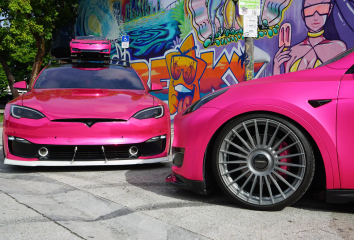
Make Your Tesla Stand Out With Professional Custom Wraps
Tesla owners know that their vehicles are more than just cars — they are statements of innovation, luxury, and sustainability. If you want to enhance your Tesla’s appearance, protect its finish, and make it uniquely yours, professional Tesla wrap...
PPF vs Ceramic Coating – Which Protection Is Right for Your Car in Miami
Protecting your vehicle’s paint is no longer optional—especially in a climate like Miami. Constant UV exposure, road debris, salt air, and environmental contaminants can quickly damage even the highest-quality paint finishes. That’s why car own...

